
Beyond the PR Headlines: Are Corporates Really Ready to Work with Startups?
A decade of corporate innovation language, and the same recurring hurdles underneath it. What a casual expression of interest actually costs a founder.
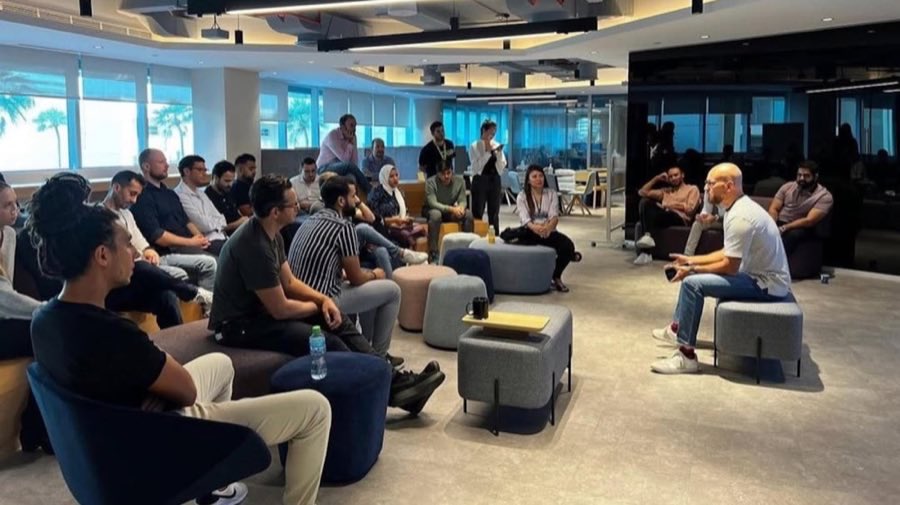
For almost a decade, terms like "corporate innovation," "intrapreneurship," and "startup collaboration" have made their way into boardrooms and strategy decks across the region. From panel discussions to glossy annual reports, the language of disruption has become standard, but for the startups actually trying to work with these large organizations, the story often unfolds very differently.
Working with startups needs to go beyond the PR headline. When a founder hears that a major corporate is interested in their solution, it's not just a talking point; it's a spark of hope, a potential breakthrough. These moments shape product roadmaps, influence hiring decisions, and sometimes determine whether a company survives the next quarter. When that interest doesn't materialize into action, the cost isn't just a missed opportunity; it undermines confidence in the corporate itself and chips away at belief in the ecosystem's ability to deliver on its promises.
I've been part of the regional startup movement long enough to recognize both the rhetoric and the real efforts. From the early Wamda days, when we pushed hard to bridge the corporate-startup divide, to more recent years spent working closely with founders in Abu Dhabi for more than six years, it's clear that while progress has been made, many of the fundamental challenges remain.
There are, however, moments worth highlighting. Some corporates have moved past symbolic gestures and taken meaningful steps. Al Dar, for instance, has engaged with startups in the property and construction tech space not just as a PR exercise, but through actual pilots and integrations. Another example is ADQ, which began by building a venture studio from within; a move that eventually led to the creation of Further Ventures, now a full-fledged venture builder playing an active role in the ecosystem. That kind of shift, from internal experimentation to ecosystem infrastructure, is rare, but powerful.
Still, most startups face the same recurring hurdles. Employees within large organizations are rarely incentivized to work with early-stage companies, and procurement processes remain rigid, slow, and often fundamentally incompatible with how startups operate. Even when innovation policies exist on paper, they rarely translate into anything meaningful on the ground.
This isn't just about procurement checklists or internal bureaucracy, it's also about access. For B2C startups, corporates can open the door to wide-reaching distribution channels and customer bases that would otherwise take years to build. For B2B startups, partnerships with large institutions often mean access to deeper pockets and the kind of steady, strategic capital that can power real growth. In markets like Abu Dhabi, where public and semi-public players control significant spending power and consumer infrastructure, the impact of corporate engagement goes far beyond the success of a single startup. It can define what kinds of ventures are viable, fundable, and scalable in the first place.
There's also a persistent trust deficit. Rather than integrating existing white-labeled solutions or partnering with startups to co-develop products, many corporates opt to start from scratch. Internal teams, or large consultancies, are tasked with building tools that already exist, not because they're better, but because they're familiar, and perceived as less risky. The result is lost time, duplicated effort, and missed chances to back local innovation.
Then there are the promises. Casual expressions of interest (often made in passing) can raise expectations for a startup in ways corporates underestimate. Founders reorganize teams, shift roadmaps, and delay other opportunities based on these signals. And when the conversation stalls or disappears altogether, the damage runs deeper than just one deal falling through. It sends a signal to the wider community that startup partnerships are unpredictable at best, and empty talk at worst.
Corporates need to be more intentional in how they engage with startups. If support is going to be offered, it should come with a clear pathway and real commitment. Otherwise, it's better not to make the offer at all.